Anzac day
April 25th
Anzac Day Services
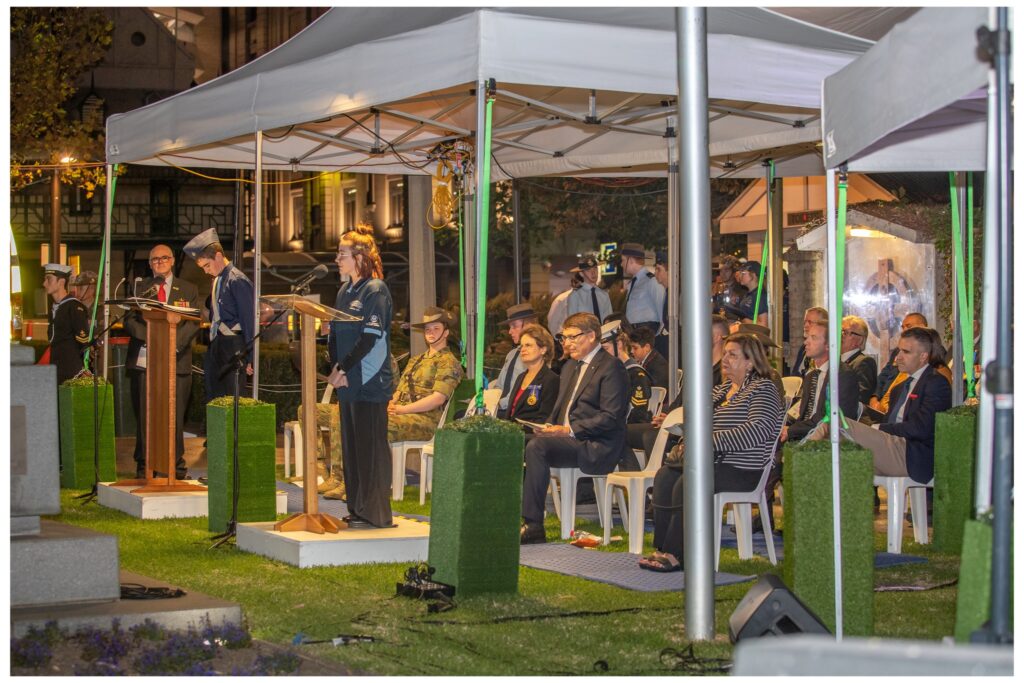
Anzac Day is observed annually on April 25th, the anniversary of the Dardanelles Campaign Landing in 1915, and traditionally includes commemorations across Australia, New Zealand and overseas at dedicated war memorials, community precincts and RSL Sub-Branches. Anzac Day is honoured with a national public holiday.
The Adelaide Anzac Day Committee plans and conducts the Anzac Eve Youth Vigil, Dawn Service, March and Cross of Sacrifice Remembrance Service in Adelaide.
RSL South Australia and the Anzac Day Committee are grateful to the South Australian Government for providing a significant grant enabling these major, public commemorations. Thanks also to the other stakeholders and contributors, the many participants, marshals and volunteers who work to make it a success for everyone to reflect on and pay respects.
Our History of Participation
TASA’s involvement in ANZAC Day goes far beyond mere attendance. Over the years, our members have been an active part of the fabric of remembrance in Adelaide:
The ANZAC Day March: Historically, TASA members have proudly marched through the streets of Adelaide, representing the Turkish-Australian community and our shared heritage of peace that rose from the Gallipoli campaign.
Wreath Laying & Speeches: Our committee members have frequently been invited to lay wreaths and deliver speeches at various memorial services. These addresses have consistently focused on Mustafa Kemal Atatürk’s message of reconciliation—reminding us all that the sons of both nations now rest in peace together.
Continuing the Tradition
Anzac day includes the Dawn Service, March and Cross of Sacrifice Remembrance Service in Adelaide. The invitation for Turks to march on ANZAC Day is one of the most unique and “uplifting” stories in Australian military history. It’s a shift from being a “former foe” to a “respected brother.”
From “Johnny Turk” to “Respected Enemy”
During the Gallipoli campaign, a unique mutual respect developed between the ANZACs and the Turkish soldiers (whom the Aussies nicknamed “Johnny Turk”).
- Unlike other battlefronts, there were frequent unofficial “truces” at Gallipoli to bury the dead or exchange cigarettes and food.
- By the end of the campaign, the ANZACs viewed the Turks not as villains, but as “fellow sufferers” who were also fighting bravely for their own homeland.
Atatürk’s Famous Words (1934)
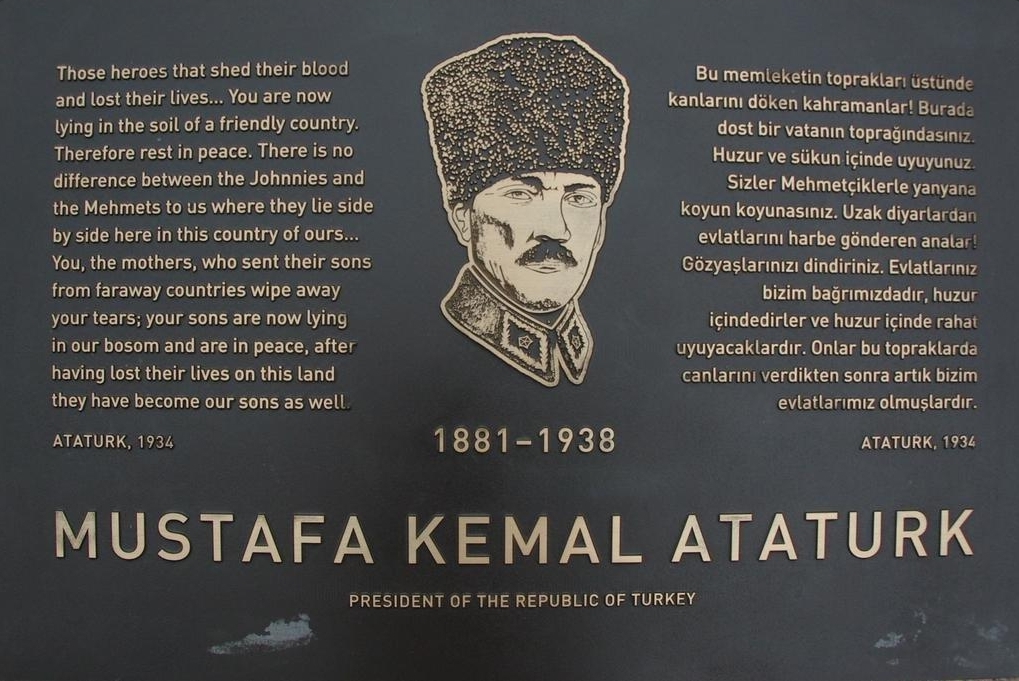
The foundation for the modern invitation is the 1934 tribute attributed to Mustafa Kemal Atatürk. Whether he spoke them or wrote them for a minister to deliver, the sentiment became the bedrock of the Australia-Turkey relationship:
“Those heroes that shed their blood and lost their lives… You are now lying in the soil of a friendly country. Therefore rest in peace. There is no difference between the Johnnies and the Mehmets to us where they lie side by side…”
This message essentially “adopted” the fallen ANZACs as sons of Turkey, which Australia reciprocated by welcoming the Turkish community into the heart of its most sacred day.
The Official Recognition (The 1990s)
For many years, RSL (Returned & Services League) rules strictly forbade any group that had fought against Australia from marching.
2006: The policy was expanded to allow descendants of First World War Turkish soldiers to march, recognizing that the Gallipoli story belongs to both nations.
1996: This was the breakthrough year. Turkish army veterans were officially allowed to march in the Melbourne ANZAC Day parade for the first time.